

NICU Equipment Explained: What Those Wires and Machines Really Mean
When your baby is in the NICU, the equipment can feel overwhelming.
Monitors beep. Wires connect everywhere. Machines hum beside the bedside.
Parents often tell me, “I’m scared to even touch my baby.”
Let me gently walk you through what you’re seeing — and what it really means.
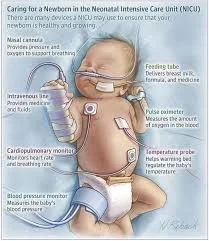
Why There Are So Many Wires
TheI NICU is built for close monitoring. Premature and medically fragile babies need extra support while their bodies grow stronger.
Most equipment is there for:
Monitoring
Supporting breathing
Assisting feeding
Maintaining temperature
It looks dramatic — but it’s purposeful and protective.
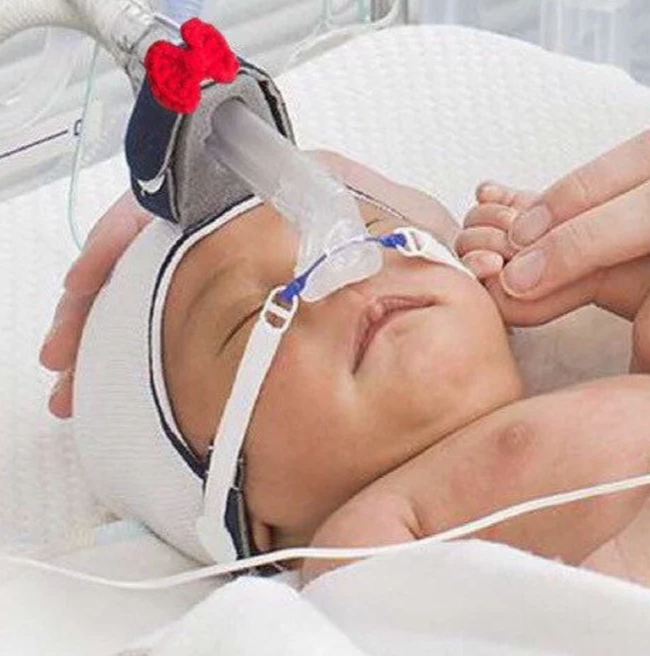
💨 CPAP (Continuous Positive Airway Pressure)
CPAP provides gentle air pressure to keep tiny lungs open.
CPAP supports your baby's own breathing by providing continuous pressure that helps keep the lungs and airways open.
It means we are helping immature lungs stay expanded while they grow.
Many premature babies use CPAP temporarily.
Needing less respiratory support can feel like an important milestone for NICU families.
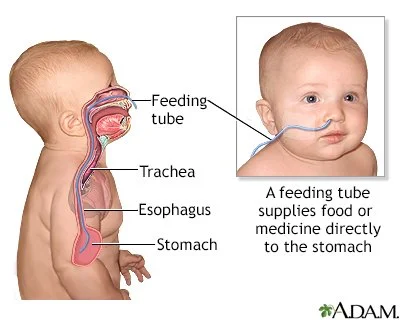
🍼 Feeding Tubes (NG or OG Tubes)
Premature babies may not yet have the maturity, endurance, or coordination needed to take all of their nutrition safely by mouth.
A small tube delivers milk directly to the stomach.
This is developmental — not a failure.
As babies mature and become medically ready, the NICU team looks for signs that they are ready to begin practicing breastfeeding or bottle feeding.
An NG or OG tube may also be used to vent air from the stomach, including in some babies receiving CPAP.
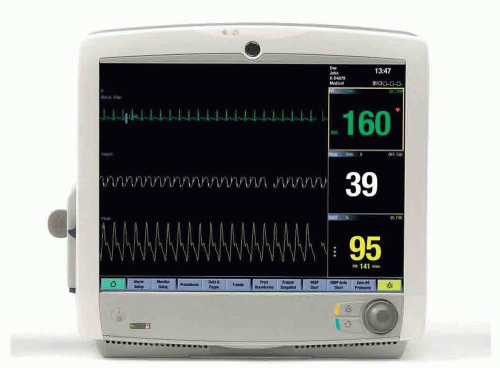
🖥 Cardiac & Oxygen Monitors
The leads and probes measure:
Heart rate
Respiratory rate
Oxygen saturation
Alarms may sound often.
Alarms are designed to alert the NICU team when a monitored value crosses a set limit or when the monitor detects a possible problem with the signal. Not every alarm means there is an emergency.
Your NICU team evaluates the monitor along with how your baby looks and responds.
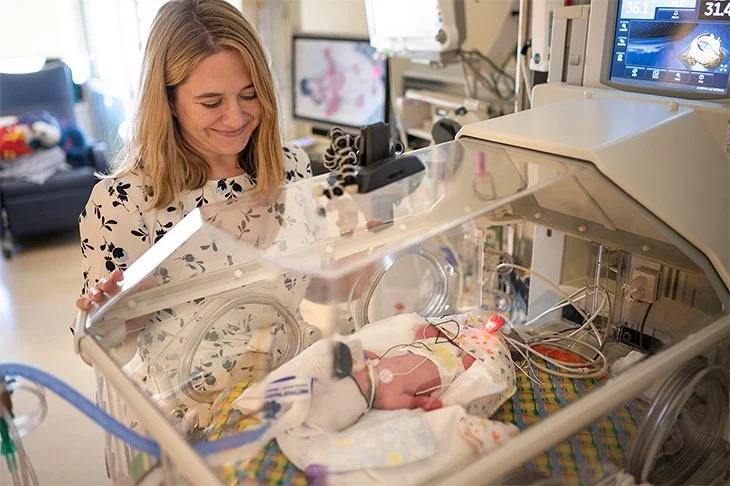
🌡 Isolette (Incubator)
Premature babies struggle to regulate body temperature.
The isolette provides a controlled thermal environment that helps premature or medically fragile babies maintain their body temperature.
Moving from an isolette to an open crib usually means your baby is becoming better able to maintain a stable temperature without additional environmental heat.

💨 Nasal Cannula
A nasal cannula is a small, soft tube with prongs that sit just inside your baby’s nose.
It can be used to provide supplemental oxygen or, depending on the type of system and flow being used, additional breathing support.
Some babies transition to a nasal cannula as they need less respiratory support, while others may use one for different respiratory needs.
If your baby has a nasal cannula, ask the NICU team what type of support it is providing and what they are watching as your baby grows.
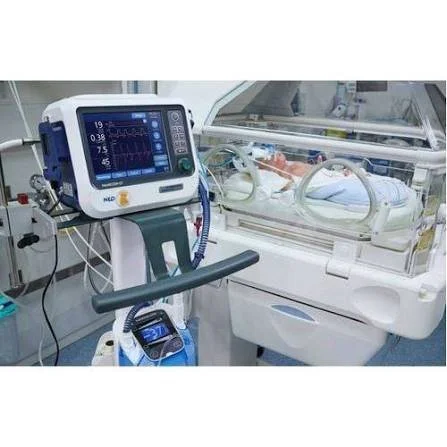
🫁 Ventilator
A ventilator provides breathing support through a small tube called an endotracheal tube (ET tube) that is placed through your baby’s mouth or nose into the windpipe.
Some babies need a ventilator because their lungs are very immature, they are having significant difficulty breathing, or they need help recovering from an illness, procedure, or surgery.
The ventilator can provide different amounts and types of support depending on what your baby needs.
Seeing your baby on a ventilator can be frightening. Ask your NICU team what support the ventilator is providing and what changes they are watching for over time.
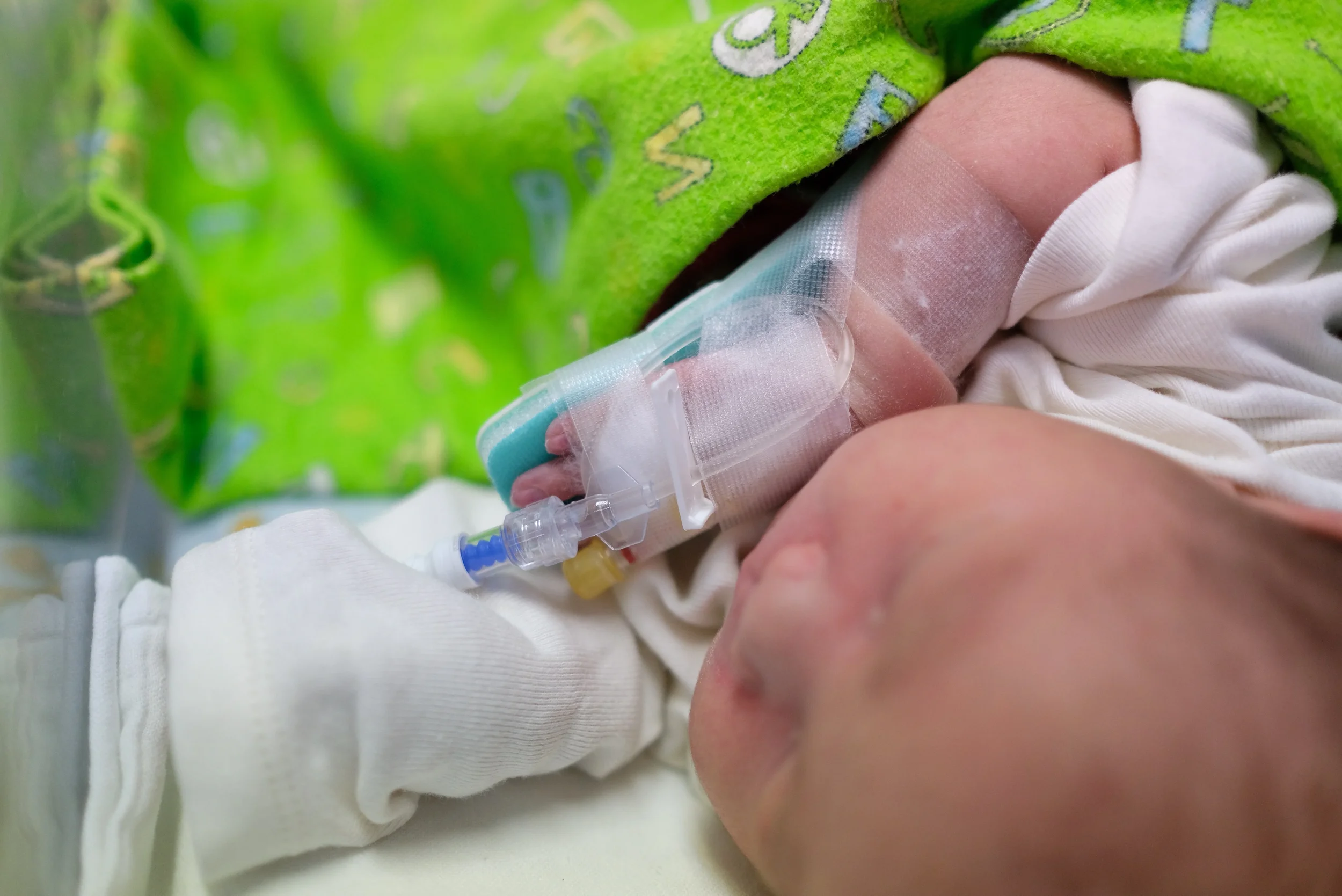
💉 IVs and PICC Lines
Babies in the NICU may need intravenous access to receive fluids, nutrition, medications, or other treatments directly into the bloodstream.
A peripheral IV is a small catheter placed into a vein, often in the hand, foot, arm, leg, or scalp. These IVs are generally used for shorter-term treatment.
A PICC line, or peripherally inserted central catheter, is a longer catheter inserted through a vein and advanced until the tip rests in a large central vein.
PICC lines are often used when a baby needs IV nutrition, medications, or other intravenous treatment for a longer period of time.
The NICU team carefully monitors IV and PICC sites and removes the line when it is no longer needed.
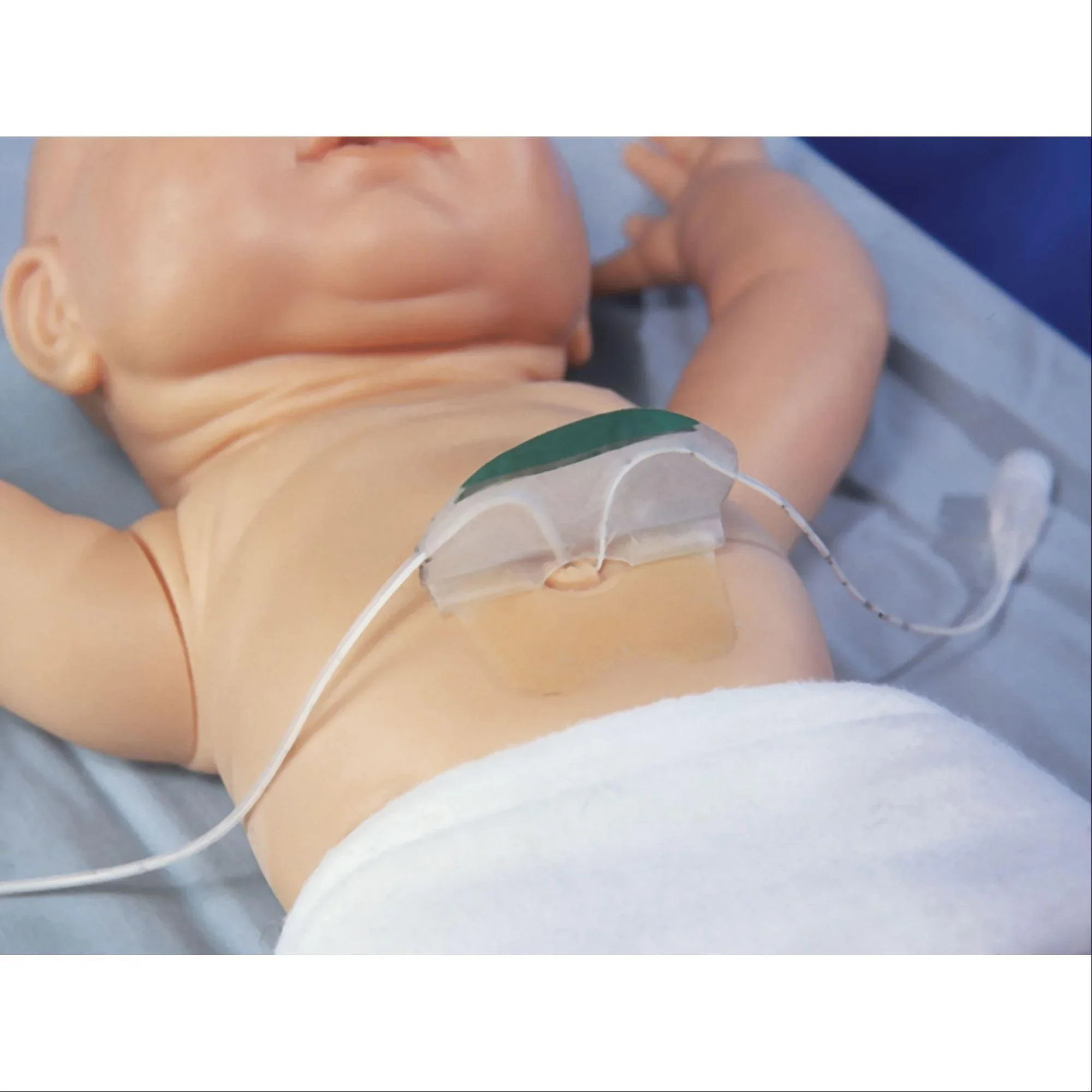
Umbilical Lines (UAC and UVC)
Soon after birth, some NICU babies may have a small catheter placed into one of the blood vessels in the umbilical cord.
A UAC, or umbilical arterial catheter, is placed into an umbilical artery. It can be used to monitor blood pressure continuously and obtain blood samples without repeatedly sticking the baby.
A UVC, or umbilical venous catheter, is placed into the umbilical vein. It can provide access for fluids, medications, nutrition, and other treatments.
These lines are generally used during the early part of a baby’s NICU stay and are removed when they are no longer needed or another type of access is more appropriate.
Seeing tubes coming from your baby’s umbilical cord can look intimidating, but they can provide important access while minimizing repeated procedures.

☀️ Phototherapy Lights
If your baby develops jaundice, you may see special blue phototherapy lights above the bed or a light-producing pad or blanket used with your baby.
Jaundice happens when a substance called bilirubin builds up in the blood. Newborns—especially premature babies—may have difficulty clearing bilirubin efficiently.
Phototherapy uses specific wavelengths of light to change bilirubin into forms that your baby’s body can eliminate more easily.
Your baby may wear eye protection during some types of phototherapy, and the NICU team will monitor bilirubin levels to determine how long treatment is needed.
Phototherapy is a common treatment in newborn care, even though all of the lights and equipment can make it look much more dramatic than it is.
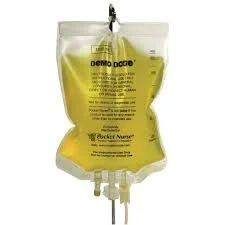
🧪 IV Nutrition (TPN)
Sometimes a baby’s digestive system is not yet ready to provide all of the nutrition they need through milk feedings.
Parenteral nutrition, sometimes called TPN, provides nutrients through an IV or central line. It can contain glucose, amino acids, fats, vitamins, minerals, and electrolytes tailored to your baby’s needs.
As your baby is able to tolerate more breast milk or formula through the digestive system, the amount of IV nutrition can usually be reduced.
For many premature or medically complex babies, IV nutrition provides important support while the digestive system and feeding skills develop.
💙 One Question You Can Always Ask
You are not expected to know what every piece of NICU equipment does.
If you see something new at your baby’s bedside, ask:
“Can you tell me what this is, what it is doing for my baby, and what you are watching for?”
Understanding the equipment can make it feel less intimidating—and help you feel more comfortable participating in your baby’s care.
A Gentle Reminder
The equipment does not replace you.
Your baby still needs:
Your voice
Your touch
Your presence
Even with wires and equipment, there are usually ways for you to participate safely in your baby's care.
Ask your baby's nurse how you can touch, hold, talk to, or help care for your baby based on what they are medically ready for.
You are part of the care team
Sources & Clinical References
American Academy of Pediatrics Committee on Fetus and Newborn. Respiratory Support in Preterm Infants at Birth.Pediatrics. 2014;133(1):171–174.
Supports CPAP, mechanical ventilation, respiratory distress and individualized respiratory support.International Liaison Committee on Resuscitation. Neonatal Life Support: 2025 International Consensus on Cardiopulmonary Resuscitation and Emergency Cardiovascular Care Science With Treatment Recommendations.Pediatrics. 2026;157(1).
This is an excellent current source for CPAP and respiratory support, including the use of CPAP for spontaneously breathing preterm infants with respiratory distress.Eichenwald EC; American Academy of Pediatrics Committee on Fetus and Newborn. Apnea of Prematurity.Pediatrics. 2016;137(1):e20153757.
Supports continuous NICU monitoring of heart rate, respiratory rate and oxygen saturation, as well as CPAP/high-flow respiratory support.Lau C. Oral Feeding in the Preterm Infant.NeoReviews. 2006;7(1):e19–e27.
Supports the feeding-tube/oral-feeding discussion, particularly immature suck-swallow-breathe coordination and feeding-related cardiorespiratory instability.Roychoudhury S, Yusuf K. Thermoregulation: Advances in Preterm Infants.NeoReviews. 2017;18(12):e692–e702.
Supports the isolette/incubator section and the importance of a controlled thermal environment for premature infants.Kemper AR, Newman TB, Slaughter JL, et al. Clinical Practice Guideline Revision: Management of Hyperbilirubinemia in the Newborn Infant 35 or More Weeks of Gestation.Pediatrics. 2022;150(3):e2022058859.
Supports the jaundice/phototherapy section, including bilirubin monitoring and how blue-light phototherapy promotes bilirubin elimination.National Institute for Health and Care Excellence. Neonatal Parenteral Nutrition. NICE Guideline NG154. 2020.
Supports the TPN/parenteral-nutrition section, including neonatal IV nutrition and use of central versus peripheral venous access.Barone G, Piersigilli F, Pittiruti M. Vascular Access in the Newborn: A Position Paper of Neonatal European Vascular Access Teams (NEVAT). European Journal of Pediatrics. 2026;185(2):71.

From my experience, equipment is one of the first things parents notice—and one of the least clearly explained in the moment.
All of the wires, monitors, and machines can feel intimidating at first, even though they’re there to support your baby.
Taking time to understand what each piece does can help you feel more grounded in the NICU environment.
If you’re still getting oriented, the First 7 Days Survival Guide walks through what to expect in those early days.
Jeri Power, RN, MSN, NNP-BC
